

- Local+Guide
- Samah Atef
- Cairo Egyptian Textiles, Traditional Weaving, Embroidery, Carpets & Artisan Heritage Tour | ByFreeTour
Detailed timeline for Cairo Egyptian Textiles, Traditional Weaving, Embroidery, Carpets & Artisan Heritage Tour | ByFreeTour
Discover the colorful textile heritage of Egypt on this unique 7-hour guided cultural journey through traditional fabrics, weaving, embroidery, carpets, clothing, artisan workshops, and historic textile markets. Textile production has played an important role in Egyptian life for thousands of years, from ancient linen garments and royal clothing to Islamic textiles, embroidered fabrics, carpets, and contemporary Egyptian craftsmanship. Accompanied by a professional English-speaking local guide, you'll explore the history behind Egyptian fabrics and discover how materials, patterns, colors, craftsmanship, trade, religion, and fashion shaped the visual identity of Cairo.
-
Guide Samah Atef
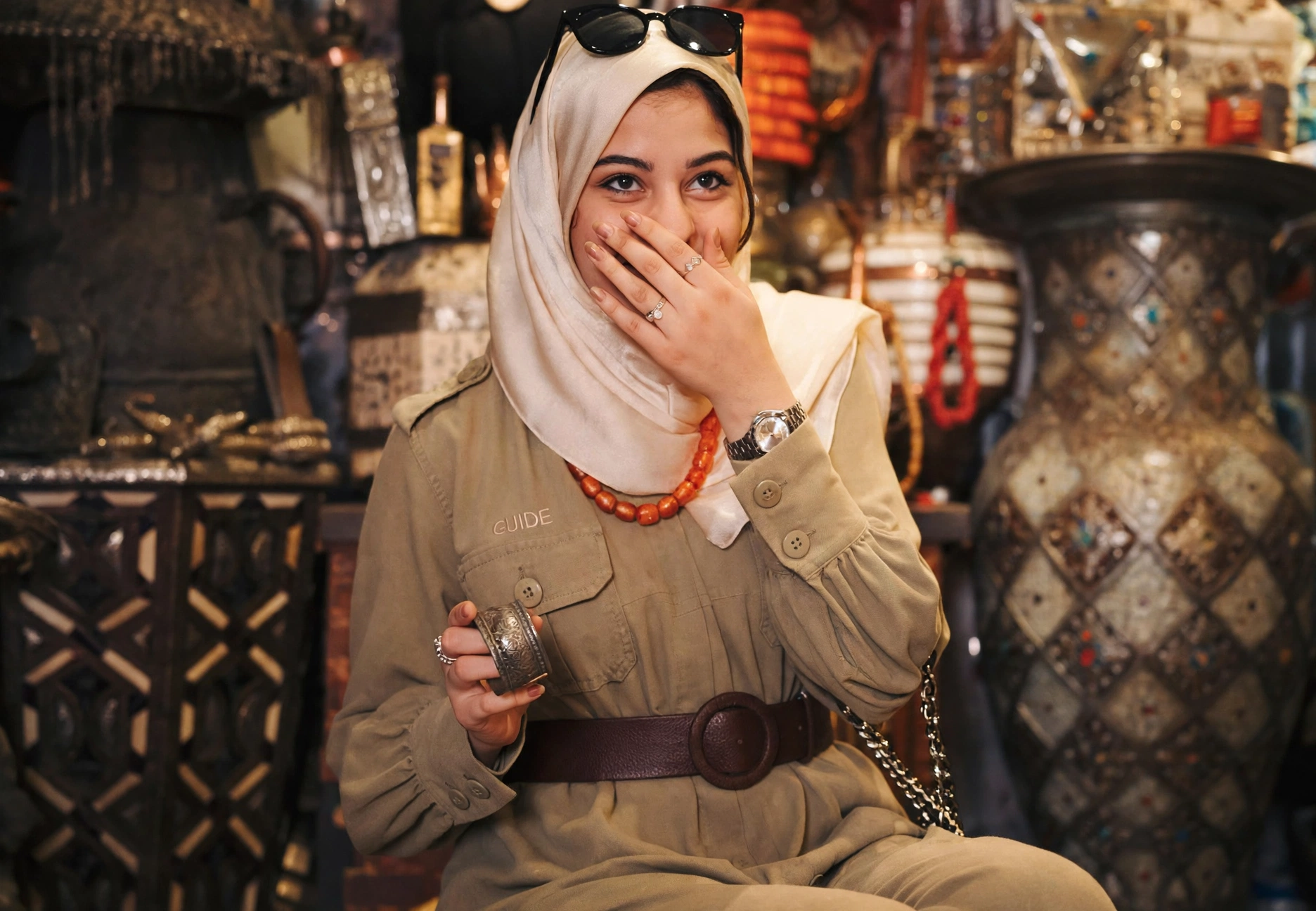
Ancient Egyptian Linen & The Origins of Textile Culture Meet your local guide and begin by exploring the importance of textiles in ancient Egyptian civilization. Learn how linen was produced from flax and why it became one of the most important materials for clothing, household items, religious objects, and burial traditions. Your guide explains how textile production connected agriculture, craftsmanship, trade, social status, and daily life in ancient Egypt.
Log in to join the tour -
Guide Samah Atef
Egyptian Weaving, Looms & Traditional Craftsmanship Discover the traditional techniques used to transform natural fibers into fabrics. Explore the history of hand weaving, spinning, dyeing, looms, threads, and decorative techniques while learning how textile skills were passed from one generation to another. Your guide explains the patience and precision required to create handmade fabrics and highlights the differences between traditional craftsmanship and modern industrial production.
-
Guide Samah Atef
Historic Textile Markets & Egyptian Fabrics Continue into a traditional market or commercial district where textiles, clothing, fabrics, carpets, scarves, and handmade products can be found. Learn how Cairo became an important center for textile trade and discover the relationship between merchants, artisans, workshops, and customers. Your guide introduces traditional patterns, materials, colors, embroidery styles, and regional influences while explaining how to recognize quality craftsmanship.
-
Guide Samah Atef
Egyptian Lunch & Food Traditions in Textile Communities Take a relaxing lunch break at a traditional Egyptian restaurant or neighborhood eatery. Enjoy dishes such as ful medames, ta'ameya, koshari, molokhia, grilled meats, rice, salads, Egyptian bread, and traditional desserts. Your guide shares stories about artisan communities, family businesses, traditional hospitality, and the relationship between food, craft workshops, and neighborhood life.
-
Guide Samah Atef
Egyptian Embroidery, Carpets & Decorative Patterns Explore the artistic side of Egyptian textile traditions through embroidery, carpets, decorative fabrics, and patterned materials. Learn how geometric shapes, floral motifs, symbols, colors, and repeated patterns can communicate regional identity and artistic traditions. Your guide explains the techniques behind hand embroidery and carpet production while showing how textiles can function as both practical objects and works of art.
-
Guide Samah Atef
Traditional Clothing, Fashion & Egyptian Identity Discover how clothing reflects Egyptian history, climate, religion, occupation, social traditions, and regional identity. Explore traditional garments, scarves, robes, embroidered clothing, and modern adaptations while discussing how Egyptian fashion changed through different historical periods. Your guide explains the influence of ancient Egyptian, Arab, Ottoman, European, and modern global styles on clothing in Cairo.
-
Guide Samah Atef
Egyptian Textile Heritage & Artisan Finale Conclude your journey by reflecting on the continuing importance of textiles in Egyptian culture. Learn how traditional artisans, family workshops, designers, and contemporary craftspeople preserve old techniques while creating new products for modern audiences. Before saying goodbye, your guide provides personalized recommendations for textile markets, artisan workshops, carpet stores, fabric shops, museums, and cultural centers where you can continue exploring Egypt's textile heritage.
 Sign in with Google